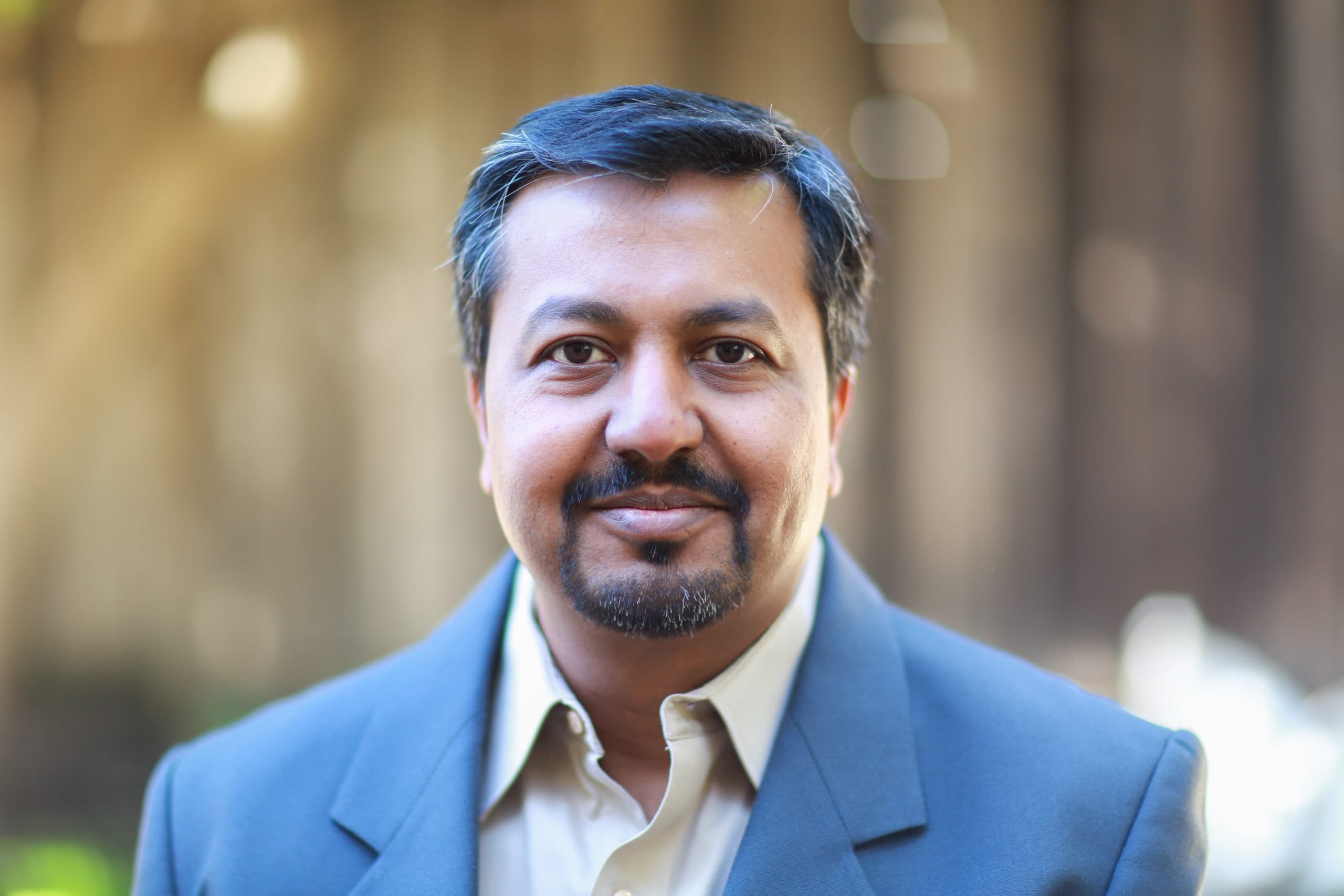
Interview with Elena Tatarchenko, Backend Engineering Manager at DataFox
By Vidal Graupera · · 5 min read


Current role: Backend Engineering Manager at DataFox
Location: San Francisco Bay Area
What’s your background and how did you get into management?
I went to MIT for undergrad and grad school for computer science and joined Box right after. At Box, I was on the Platform Integrations team as an individual contributor. I loved the culture at Box; it had a lot of highly motivated, experienced engineers. I learned a lot about how to ship production code, write tests, work in a large engineering team, and think about scale. After that experience, I wanted to build an application from scratch and have first-hand exposure to setting up web-services and dev-ops. So I joined DataFox. At the time the company was about 10 people, 4 engineers, so I got to experience all the glamorous tasks of settings up servers, development environments, abstraction layers, monitoring, analytics, databases, interview processes, etc.
A couple years in, I was in a unique position to be in a growing company where I helped build much of the infrastructure. As the team grew, the job of providing guidance fell naturally to me and I started taking on a team lead position, which gradually transitioned to being a manager.
For a little bit of context, DataFox helps sales and marketing teams find their best fit accounts. What this means for engineering, and particularly my team, is we deal a lot with data and all the difficulties that come with it. We strive to provide accurate, reliable, up to date information, and that involves merging data sources, detecting anomalies, and structuring it in a way that’s searchable for the user.
What are the biggest challenges you face?
This is not a unique problem, but we have a lot more work than engineers. The challenge then is prioritizing and sometimes saying no to customer asks. Engineering sits in the middle of many product stakeholders and they each make a case for their particular features and it’s hard to be objective about what to prioritize. You can drive yourself mad trying to figure out how to evaluate your options and the possible consequences. To top it all off, in the end, you still often don’t know if you made the right decision. It’s hard to be truly data-driven when evaluating subjective features. For example, I know I’m personally biased against features that will add complexity to our system, but there is no good way to weigh that against the business needs. It’s surprising to me how much is still just a judgment call in our organization. Maybe other organizations have figured out how to be more scientific about it.
Working with data means you have to look at aggregates. This means even if one data point for a particular use case doesn’t work, and will never work with your model, you just have to accept it. You can’t let an outlier dictate months of work. But as an engineer, it’s crushing. You want to build a system flexible enough to handle all real-life situations, even if that situation is a company in our database that formed a joint-venture which went public, got acquired, and changed names.
What is your approach to hiring?
There are a lot of challenges. Hiring the wrong person is worse than hiring no one at all, so we have an incredibly high bar. Hiring can’t be rushed. You can’t control who is applying or when great engineers are ready to switch jobs. Instead, I find myself focusing more on retention and growing our current engineers.
For hiring specifically, I’ve taken a lot of the advice about bias to heart and force myself to think critically to ensure I’m not hiring someone just because they’re like me. For each role we write out our expectations and first few projects that the individual will be doing. We also have rubrics for each interview question. That way, when we’re discussing the merits of each candidate we have alignment on the skills they need to succeed.
What’s your advice for managers who are just starting out?
Listen to your direct reports. That’s the most powerful thing you can do. You’re now one of the few access points your team has to upper management and other parts of the org, so you absolutely have to make sure their voice carries through you. You won’t know what that is unless you listen.
Be a team player. Your team’s success is not more important than the company’s success. Be willing to shift resources. The benefit here is also that your direct reports will get to work on the high impact projects and probably go out of their comfort zone and learn a lot.
Whats your work day like and how do you manage your time, emails, etc.?
Paul Graham has a great definition “Manager Time” versus “Maker Time”. As an organization we try as much as possible to optimize everyone’s schedule, even managers, to have long blocks of uninterrupted time.
I have a typical manager schedule, although I do always have an engineering project I’m actively contributing to. My schedule is now filled with meetings like one-on-ones, coordination meetings, and project check-ins. As an organization we all use Slack, so I have only one tool I need to watch. I’ve tuned my notifications to prioritize my team’s questions in real-time. Everyone else can wait for gaps in my schedule.
What’s a personal habit that contributes to your success?
I’m systematic and methodical about my notes and to-dos. I actually found the movie Memento really inspiring for this. If someone without any short-term memory could be so functional, then the rest of us have no excuse for forgetting something.
I also love efficiency and smooth communication. Having to ask twice is inconvenient, awkward, and adds stress. I do my best to avoid any of those situations.
Share an internet resource or tool that you can’t live without.
I hate doing anything on my phone: the screen is tiny, the keyboard is small, there aren’t enough shortcuts, and web pages are trimmed. I’m convinced it’s always worth it to get a laptop rather than to try to solve your problem on your phone. So I would say I can’t live without my laptop. If I’m in bed checking Slack, I’ll pull out my laptop just to be able to see it properly. I’m sure mobile apps are the future, but I hope full web apps never die. My phone is great at providing a hotspot though, that was a great investment.
As far as tools, Google calendar is absolutely how I’m able to think ahead and plan out work. I have no idea how in college I was able to live without it. The other tool that’s been convenient is Calendly. It saves the dreaded back and forth of finding a time when two people are free when they can’t see each other’s calendars.
If you could recommend one book to managers, what would it be and why?
I find it helpful to understand better how people think and process information so I would recommend Thinking, Fast and Slow by Daniel Kahneman. More strictly management books I liked are Good to Great by Jim Collins and Peopleware by Tom DeMarco and Tim Lister. Each of those had made the point to not stand in the way of your best people but arm them with information and power to contribute.
Where can we go to learn more about you? (Linkedin, Twitter, Github, etc.)
Reach me at:
This series asks engineering managers to share their experiences with the intent of helping other engineering managers learn and improve. Have someone you want to see featured or questions you think we should ask? Contact me.