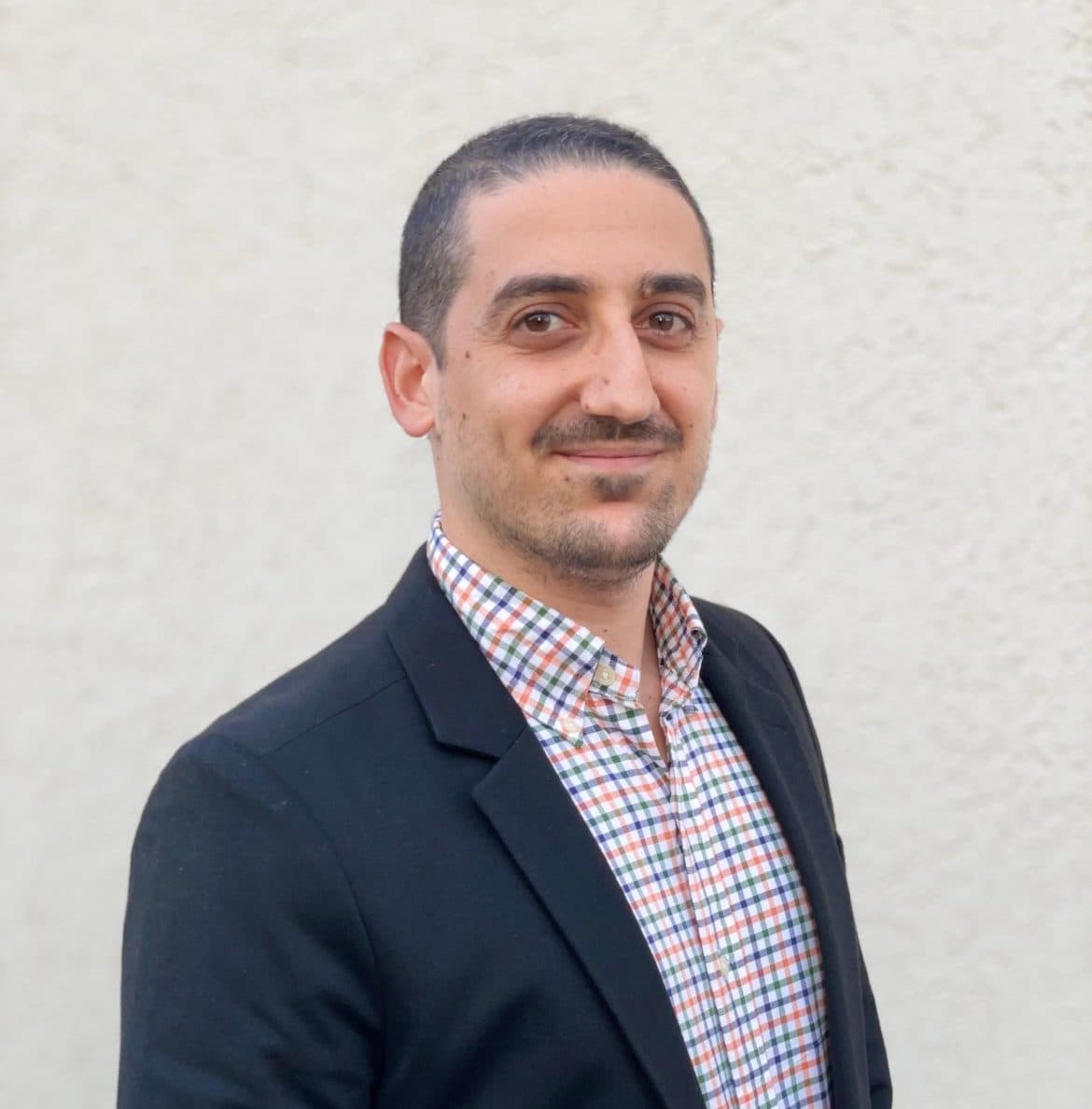
Interview with Andrew Mairena, MBA student at MIT Sloan School of Management (and formerly Application Engineering Manager at Thermo Fisher Scientific)
By Vidal Graupera · · 7 min read
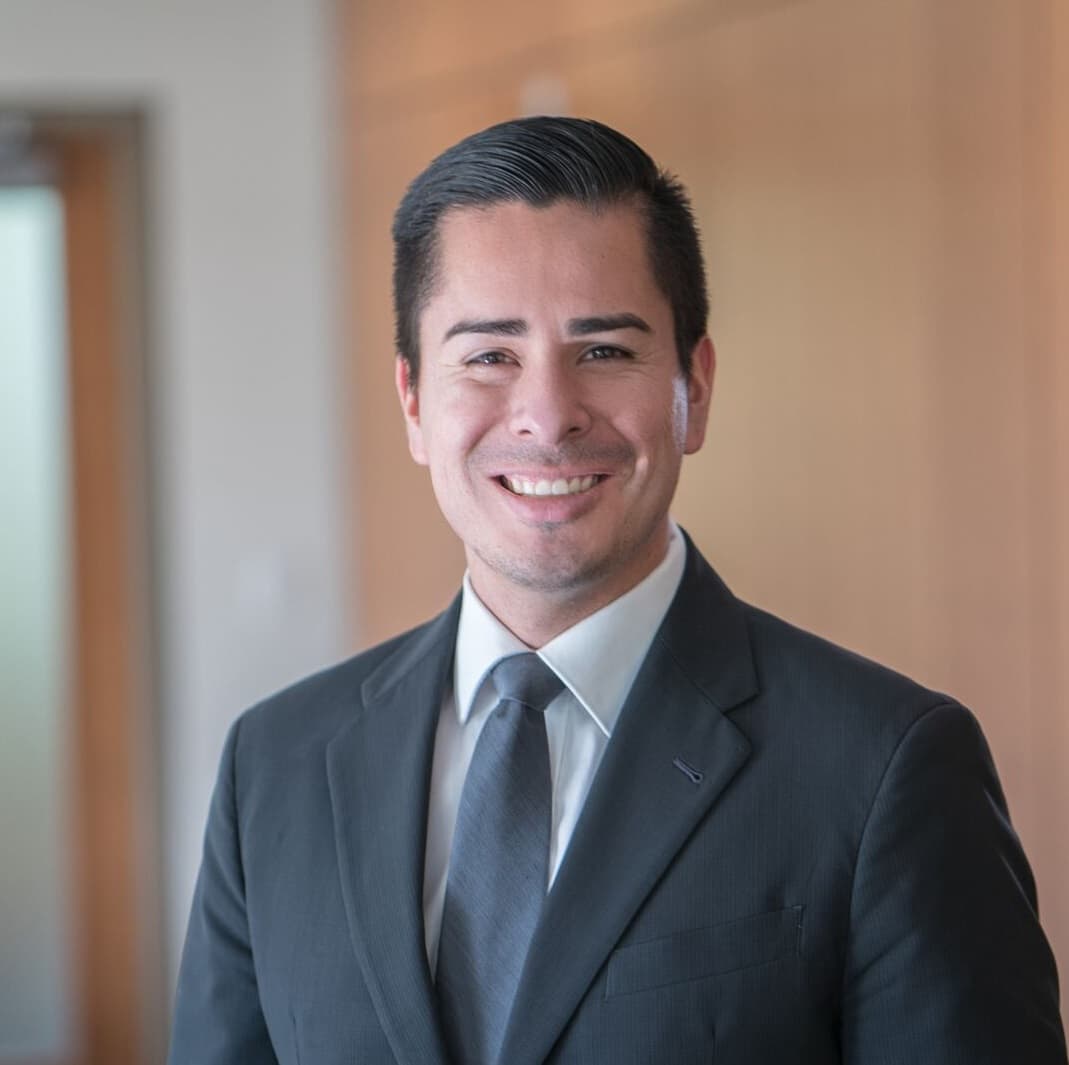
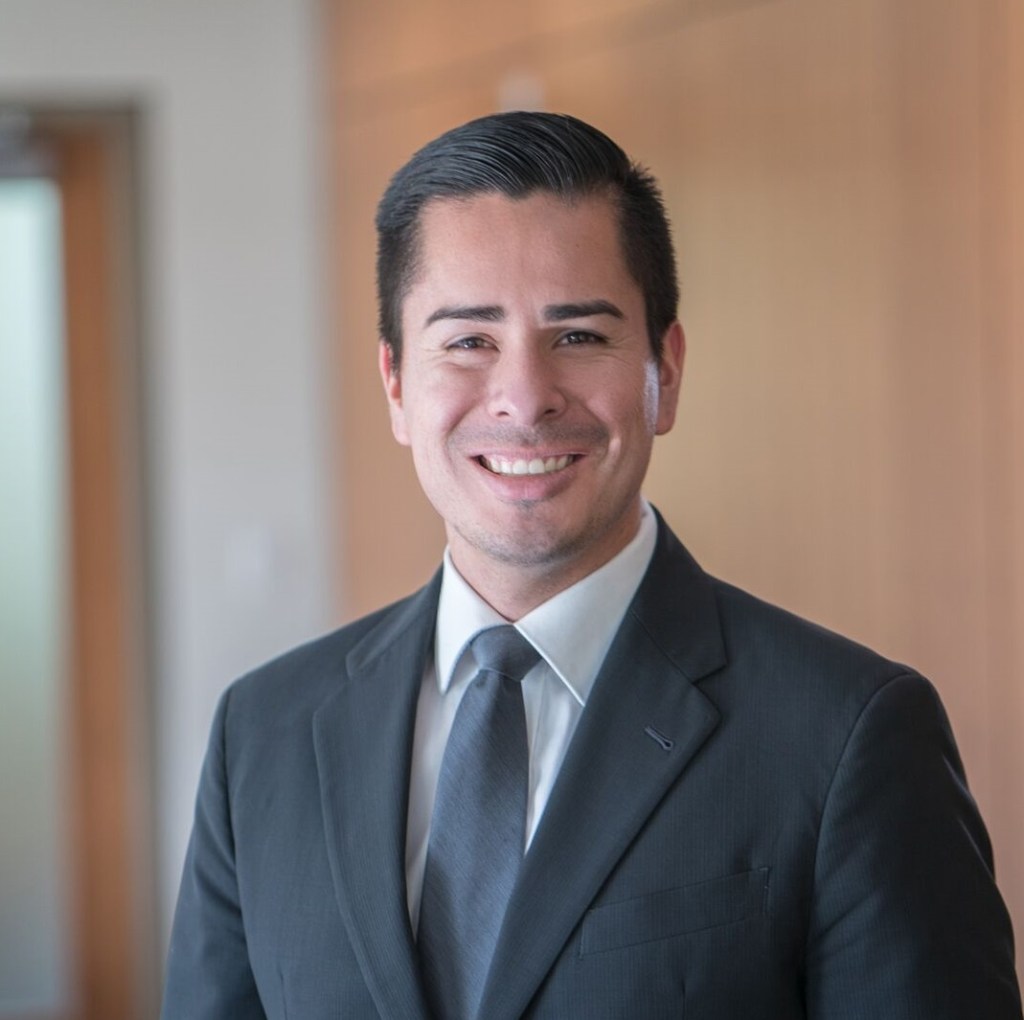
Location: Cambridge, Massachusetts. After working for several years in Silicon Valley, I decided to go back to school to obtain my MBA.
Current role: MBA student at MIT Sloan School of Management (and formerly Application Engineering Manager at Thermo Fisher Scientific)
What’s your background and how did you get into management?
I graduated from UC Berkeley in 2010 with a degree in Electrical Engineering and Computer Science. I’m an engineer by training and I worked in a few organizations, including one famous one – Solyndra. Since then, I’ve had the fortunate opportunity to interact with several different departments, such as marketing, operations, manufacturing, and sales.
I began working as a Field Application Engineer at a small company called DCG Systems, starting in 2012. Over time, as I built out my reputation within the company and with customers, there was an opportunity to manage the group that I was a part of. Through my successes within the organization and with customers, I was asked to lead the team. In 2014, I made that transition into the manager of the Applications Engineering team.
What were the biggest challenges you faced?
I can tell you there are three challenges that I had to resolve. One was the range of experiences on the team. I had six direct reports. I can easily break them up into three groups of people: one was recent college graduates, the second was PhDs with two or three years of experience, and then the third group was the senior group, which were individuals with twenty to thirty years of industry experience. Being a first time manager, I had to figure out how to cater to all these different types of individuals. That was the challenge.
The second, I think that a lot of managers face, is you’re all of a sudden managing former peers. I had developed friendships and camaraderie and now I was managing my peers. To me, I had to effectively draw a clear line between being a friend and a manager.
Finally, the third one was how to lead during times of change management. This company that I worked for – DCG Systems – ended up getting acquired twice, very quickly. The first acquisition was by FEI and about eight months later by Thermo Fisher Scientific. These acquisitions really changed the landscape of our organization. That really tested me, because I had to be the one person that my direct reports looked up to that was consistent, that was telling the truth, that was vouching for them when things weren’t going well. I saw that as a unique challenge in my first time being a manager.
What was your approach to hiring?
I’ll give you some context. The Applications Engineering team really values both IQ/EQ, which is engineering background or scientific background – so obviously you’re technical and analytical. On the other hand, we love to talk to customers. A lot of our job was flying out to customer sites in Asia or Europe and talking to these users, which range from operators to scientists. These individuals have to have both skill sets, having high IQ and EQ. Those are the two things we wanted to test for in the hiring process.
I definitely had an internal HR headhunter to help me find and scout people who are qualified. Then, we put them through a very systemic approach in our interview process. For me, I found it valuable that these individuals would talk to the four groups that they would end up working with closely. The first group was my Applications engineering team, mainly my senior direct reports. The second group was the Systems Engineers such as mechanical and electrical engineers. The third was Manufacturing including technicians and production engineers.The last group was the Marketing group including my manager. These are the four groups of people that asked questions to the candidates.
They asked nearly 100% behavioral questions. I don’t believe in doing cases. I tend to want to really figure out personality and see how they respond in certain instances, which we probe through with our behavioral questions. Also, I really solicited feedback from all these four groups in order to make a decision to see if this individual would be a great fit within our organization.
In addition to group interviews, we requested that the individual conduct a 30 minute presentation about a technical achievement and communicate to us the value, like we’re customers. That allowed us to gauge their ability to effectively communicate technical concepts in a simple manner. Also within these presentations, our engineers would probe and make sure that the candidate understands the content well enough, which is how we gauge technical aptitude.
What is your advice for managers who are just starting out?
My advice is to have structured, routine one-on-one meetings with everyone on the team. There are various opinions on how often it’s supposed to be done, but my personal recommendation is to hold a 30 min session every week. Each session has three components. In the first ten minutes, the person talks and leads the discussion. In the second ten minutes, I review current initiatives and next steps within the week. The third important piece is what I call “outwards looking”, like personal and professional career planning.
I found that these structured weekly meetings accomplished a few things. One is that it ensured equal facetime across all my direct reports, regardless of their performance level. As a new manager, I noticed that I spent a lot more time with the individuals who needed more mentoring and coaching. I didn’t really talk to my more senior engineers. I felt that wasn’t right, because even my most senior engineers, they still want to know, “What’s in it for me?” in the long run. I found that helps improve retention over time.
The second is to always have an opportunity to provide negative and positive feedback for the direct report.
The third is to make transparent the annual appraisal process. If these weekly one on ones are occurring, then the individual will know where they stand within the organization. We’re always doing benchmarks, so when it came to the annual performance appraisal, it was no surprise if I stated any areas of improvement.
What was your work day like and how did you manage your time, emails, etc.?
I always ended up getting into work earlier than everyone. After my workout, I’m in by 8:30. From 8:30 to 10, it’s pretty much my time to prepare for the day. I sync up with my counterparts in Asia, because of the time difference, answer any emails, review my schedule, and write objectives that I need to accomplish for the rest of the day. Once 10 o’clock hits, everyone’s in the office and things kind of happen randomly. I felt like at least if I’ve dedicated this morning time, I’m very much prepared to hit my objectives for the rest of the day. That’s how I manage these very fluid and atypical days.
What’s a personal habit that contributes to your success?
I’m big on preparation. Plans don’t always work out, right, but preparing is part of the process. Prior to the start of a work week, I create a to-do list. Within the list, I set objectives for myself, that both fulfill professional and personal commitments. I let this serve as a guide for the whole week. Of course, it changes on a daily basis, but at least I have a good starting point. At the end of the week on Friday, I’ll often review how well I did and I can get a good sense if I had a productive week or not. That’s one thing I started years ago, and I continue to do that today, even in business school.
Share an internet resource or tool that you can’t live without.
Andrew: Yeah. Would podcasts fall under this?
Vidal: Sure, if that’s an internet resource that you found valuable. Why not?
Andrew: Yeah, let me elaborate. For people in the San Francisco Bay Area, everyone knows that there’s a lot of traffic so you’re on the road and you need to pass the time so I found some podcasts on leadership. One podcast I would like to highlight is Coaching for Leaders by Dave Stachowiak. It started back in 2011 and has over 300 podcasts. These podcasts include not only interviews with CEOs and founders, but also discussions on different professional and personal topics. For example, as I mentioned early on, that one of my biggest hurdles was to manage former peers. Sure enough, this podcast had an entire cast on how to manage former peers. As someone who wants to get better as a manager, I found this podcast to be very instrumental.
If you could recommend one book to managers, what would it be and why?
Andrew: I was an Application Engineering Manager for a team that valued very technical expertise and EI, or emotional intelligence. To cultivate EI, my personal recommendation is a book titled ‘Leadership: The Power of Emotional Intelligence’ by Daniel Goleman. The book has a variety of chapters on certain aspects of EI and Daniel summarizes his findings on leadership. I would suggest it to all managers to really kind of think about the way they approach influencing others without authority, cultivating others, et cetera. This book covers a lot of different topics to help build out that aspect of leadership.
Vidal: Oh, that’s great. That’s a whole thing of managing through influence is a huge topic.
Where can we go to learn more about you? (LinkedIn, Twitter, Github, etc.)
I highly suggest my LinkedIn page. LinkedIn
This series asks engineering managers to share their experiences with the intent of helping other engineering managers learn and improve. Have someone you want to see featured or questions you think we should ask? Contact me.