
1 min
Unveiling the Secrets to New Manager Success
… [Read more](https://www.managersclub.com/unveiling-the-secrets-to-new-manager-success/ "Unveiling the Secrets to New Manager Success")
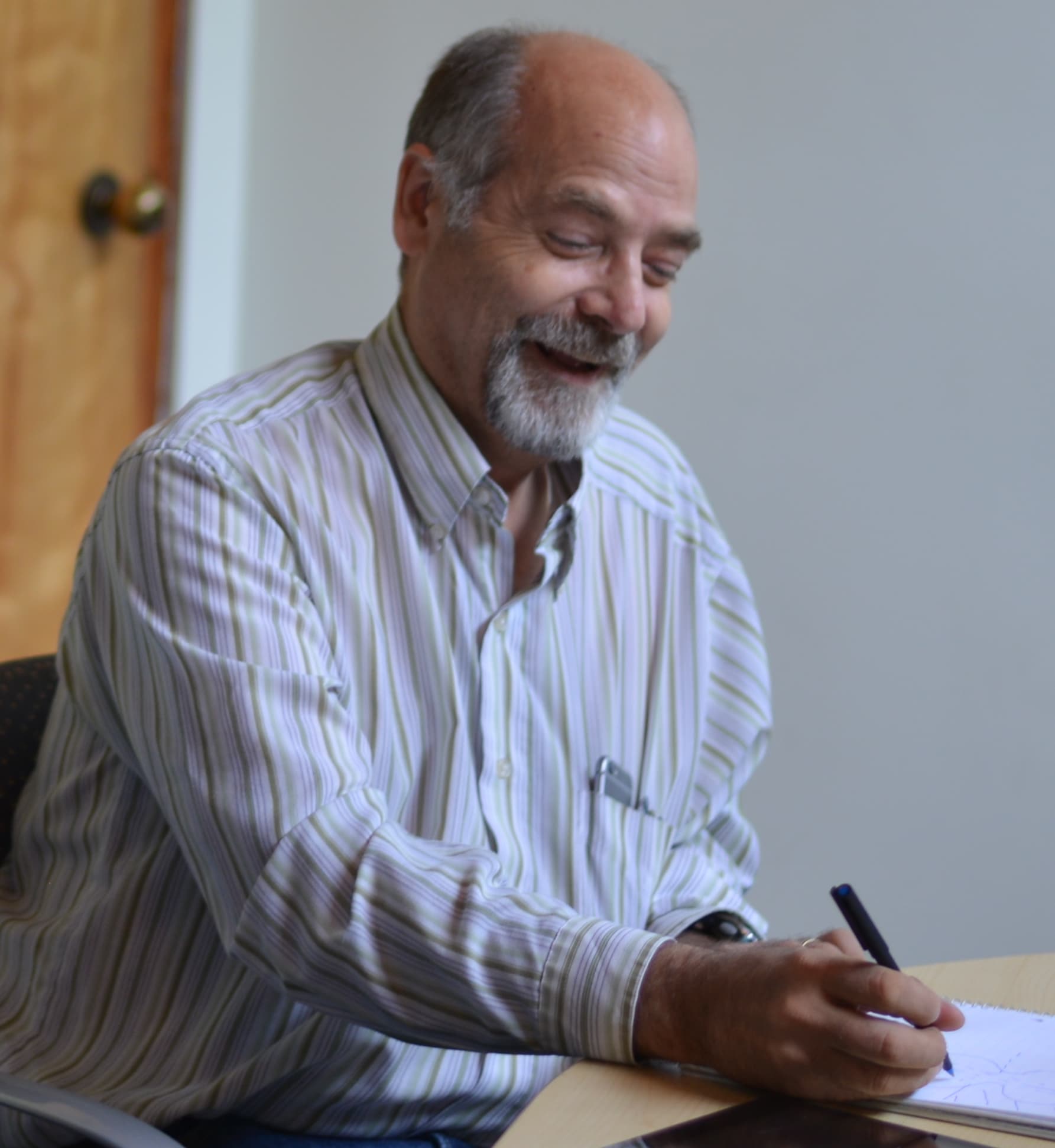

Location: San Francisco
Current Role: VP Software Development, Viscira
I have always been a leader. From my childhood to today it has been my fortune to see people as they are and deal with them from that perspective. The good, the bad and the in-between. Organizing, directing, conceptualizing, playing. I have always taken a humanist’s perspective.
From Wikipedia: Humanism is a philosophical and ethical stance that emphasizes the value and agency of human beings, individually and collectively, and generally prefers critical thinking and evidence (rationalism and empiricism) over the acceptance of dogma or superstition.
I had a partner at one time who said: “it takes more than one person to make a whole person.” That is so true. We all have one piece of the puzzle and it takes recognition of that to put the picture together, person by person. Everybody has a part and role in the solution. My life in theater taught me that.
I started professionally as a theater technician. Lights, sound, shop work, some acting and then onto sound design. I was big news in SF in the 1980’s. However, theater is a cruel mistress and at some point, you have to eat. I went to Radio Shack to attempt to get a job and they turned me down. That was a low point, so I went back to school and got my degree in Theater Arts. A 10-year plan I would recommend wholeheartedly.
With my new focus, I centered upon computer technology, primarily from the artistic usage of the devices for education and entertainment. At the same time, I was writing software for the maritime industry. Good old dBase for vessel transits, mailing lists, automated publishing, fax servers, BBS operations and automated billing for a small but ancient organization (Incorporated in 1849) needing to survive in the present. Was working with the Coast Guard and MITRE on defining the vision for VTS2000, the ill-fated government program to address the Exxon Valdez accident.
Progressing to computer graphics, I became fascinated with immersive video simulations. Got training and went to SGI to help build some models using Multigen. It is from that experience that I was able to see the power in the scene graph as a database. This has been a primary source of inspiration for me until I discovered Hyper-G.
Then I worked in the Digital Agency world. We were in Hollywood in the early 1990’s and it was just prior to the Internet being made public. I was working on auto advertising media with Saatchi and Saatchi for Toyota and Lexus, Carlson for KIA and consulting with RAND Corporation, AT&T Labs and the like. My role was to come up with ideas that really worked, from a new technology perspective. Here I grew a team that went from 6 to 120 when I left.
Did work with Paramount Pictures Digital Media Group with the NSA, US Army and developed systems for managing story simulations using narrative media structures for communication. This was working alongside of the USC ICT as they attempt to define the Holodeck.
I have done the same in online games, ECM systems, consumer electronics, toys and all sorts of things. Every place I go I rise to a management position. Direct technology, build teams, execute projects, invent stuff and expand horizons.
For the past 8 years, I have focused on software development for the life sciences industry, pharmaceutical, and biotechnology marketing, supporting their educational and sales support activities.
So, in a sense, I have always been in management and have leveraged that from a creative production perspective.
The biggest challenge I face is getting people to be humble enough to accept their mistakes and move forward. It takes a lot of coaching to get people to drop their pride. To realize that it is not a competition, but a collaboration.
I went to Japan for Toyota once and worked with a Japanese production team. They were great, but they suffered from too much self-deprecation. There were challenges with the project and as we were onsite, in production, I would call out issues where their lack of English writing skills was causing problems. At the end of the project, while eating the same cold bento boxes that we had every day, they went around the table, each apologizing for their shortcomings. I had shortcomings too, a memory error that force a reboot every 15 minutes, but the show went off successfully and we were able to leave with a happy client. At my turn, I went down the positive path, identifying the good points and acknowledging how we were able to surmount the challenges. Of course, I had made a terrible misstep into their culture, as only an ugly American could. But what came away for me was the balance that was needed between humility and pride to keep a team happy and engaged.
I look for people whole will fit with the team. People who understand production. I naturally prefer people with a performance background because when you are on stage, or supporting someone on stage, your success is based upon the whole team, not an individual. (Remember the whole person?). If a person is smart, they can learn a skill. If a person is patient, they can work on a team. If a person is engaged, they will find a path forward.
Don’t get me wrong, they have to have the chops, but I would rather have a team player who is actively learning than an ‘A’ player who destroys the cohesion of the team. There is a place for competition, but not within a team.
Everybody should be better at one thing then the next person. So, I look for that thing that the individual brings to the table. What will this person be the go-to for? A language, some experience, a skill, what is that thing? With a team structure like that, everybody is an equal and top of their game. Everybody is a mentor, a teacher, an expert.
I also like to plan staffing ahead. It takes time to onboard and acclimate a new employee. In my current position, it is difficult to staff to a plan as we do everything based upon the executed SOW. Even staffing is reactive to that. Often our ramp up for a project from SOW to kick off is less than a week, so we are running at a deficit from the get go. This is a particular challenge for an agency that pays agency rates. Spoiler alert, they are lower than the standard IPO bound startup. The positions are more secure, but the pay grows slowly.
Be humble. You work for your team, they do not work for you. It is your job to make them successful within the organization, the team and in their personal life. You are the servant leader. Your position is not one of glory, let your team have that. Think of yourself as Jeeves from PG Wodehouse plus a smidge of Admiral Rickover.
Admiral Rickover said,
One must create the ability in his staff to generate clear, forceful arguments for opposing viewpoints as well as for their own. Open discussions and disagreements must be encouraged, so that all sides of an issue will be fully explored. Further, important issues should be presented in writing. Nothing so sharpens the thought process as writing down one’s arguments. Weaknesses overlooked in oral discussion become painfully obvious on the written page.
Listen first, then respond. Be sure you understand the issue and perspectives.
Let others make the decision. Guide them towards the proper solution, but since they are executing it, they are in charge. Allow that. The team members success will define your success as a manager. Make yourself redundant so that you are not the long pole in the tent.
My current schedule has me up at 4:00 am. I take the bus into the city at 5:00 and it arrives at 7:30. I head home sometime between 3:00 and 5:00, depending on scheduling conflicts.
In the morning from 7:30 to 9:30 I review email, do some investigations, write some code, write reports, call the folks on the east coast and generally take care of the things that you cannot do while in meetings. I am on all of the email chains for the projects in my department and I glance at each email. We use Jira in software development; however, not all teams use it yet. I review the deliverables and ensure that I see releases appropriately planned. If I see something that worries me, I respond to the responsible party. I get about 300 emails a day for roughly 30 simultaneous projects.
Outlook is my taskmaster as it is for our entire company. Meetings are often back to back. I have delegated authority to my team so I report to the project leads on any issues that I notice that do not make it into the notes for the project. I schedule a monthly one-on-one with everybody in my department to make sure they have a venue to discuss things, no matter what the subject. I focus on their personal growth and aligning that with company objectives. These I schedule, no more than 2 a day throughout the month.
Ten percent of my time I spend reviewing the staffing list, the review schedules and ensure that the employer duties are being addressed in a timely fashion. While the company is not always focused on employee needs, I am and want them to be satisfied with their employment.
Another ten percent I spend with my Directors reviewing their tasks, projects, teams, standup status, and problems. I help them strategize how to approach things or intercede where appropriate. I always attempt to have the Director respond if possible. This reinforces their prominence within the organization and allows for a distributed management team. (Remember that whole person thing?) We also have a general team meeting where we deal with administrative and team planning issues. Everybody can contribute.
Twenty percent of my time I use to learn and review technologies, do tutorials, install systems and generally familiarize myself with everything we might come in contact with. We interface with many large clients who have complex infrastructures. You hear about a solution they are leveraging and then you have to see how that fits into your capabilities. A good technology manager needs to understand the fundamentals to be able to talk to clients and team members. It constantly evolves and requires consistent attention
The rest of the time I am assisting the staff with troubleshooting their problems.
If I have to provide project leadership for architectures or solutions, I do most of my work at home or sacrifice my learning time to ideate and document.
Acknowledging that I might be wrong on any stance I have. I cannot tell you the number of times I have misinterpreted a situation. It is important to clarify what is actually needed. This helps reduce crossed signals and aids in directional alignment with a correct response assessment.
Most problems occur when people attempt to hide their weaknesses or think they will be fired if they cannot do the requested task. In fact, their faking it will actually get them fired, it should not be trying and failing. The whole person thing solves that task-related issues. To help others acknowledge a weakness, mistake or prevent hiding a self-imposed issue, I tell everybody that I will take on 50% of the responsibility for anything that comes up, any misstep or problem regardless of derivation. With that combination of willingness to fall on the sword and fault response assessment, it begins to deflect the issues away from the people and focuses the response to the problem and solution. That is really what is needed.
I have become a fan of OfficeVibe.com, which does anonymous employee surveys that measure the employee engagement. It has allowed me to speak directly to employee concerns, get in front of hidden issues and ensure that I have communicated effectively all organization and team positions and policies. I receive direct feedback and I am able to respond to the anonymous commenter with a clear response while working to ensure they are aligned with whatever the stance is. Often, I use this to flag organizational issues that need to be addressed at the company level. It is a great tool and well worth the expense.
Believe it or not, “Guns, Germs, and Steel” by Jared Diamond Ph.D. While not a management how-to, a sports hero bio or book about the long-standing career of some industry titan, it does illustrate the impact of small things upon every person. Things that are out of control that affect everybody’s life. We need to understand the issues that motivate and the personal experience that drives a person. I found the perspectives in this book truthful as it mirrored my experience with peoples from many cultures and the drivers of their decisions. This is especially true where there are cultural norms that can be offensive to others, when faced with bigotry or income/resource inequality. Also, acknowledging that change can take time and there are natural rhythms to that progression. The manager’s job is to level the playing field so that everybody is successful. There are no favorites. No privileged class. The pacing needs to be realistic. (Remember that whole person thing?)
https://www.linkedin.com/in/natfast/
This series asks engineering managers to share their experiences with the intent of helping other engineering managers learn and improve. Have someone you want to see featured or questions you think we should ask? Contact me.
… [Read more](https://www.managersclub.com/unveiling-the-secrets-to-new-manager-success/ "Unveiling the Secrets to New Manager Success")
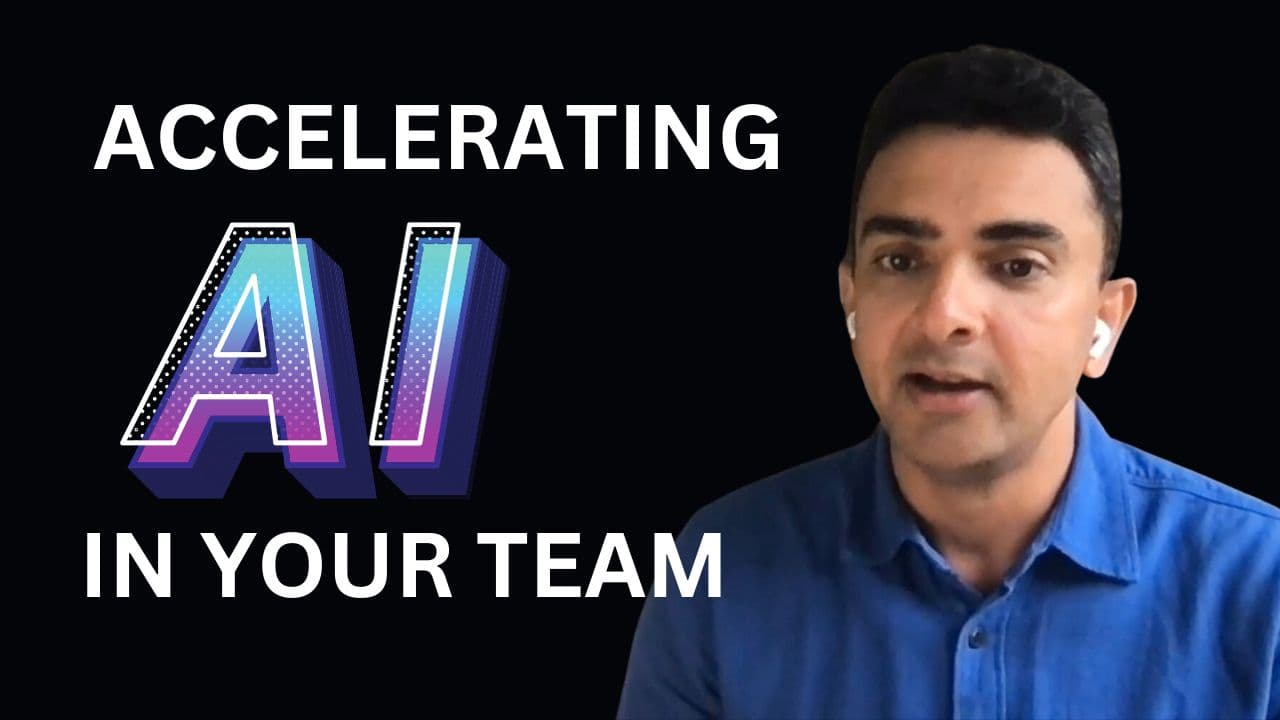
… [Read more](https://www.managersclub.com/accelerating-ai-in-your-team-strategies-for-success/ "Accelerating AI in Your Team: Strategies for Success")
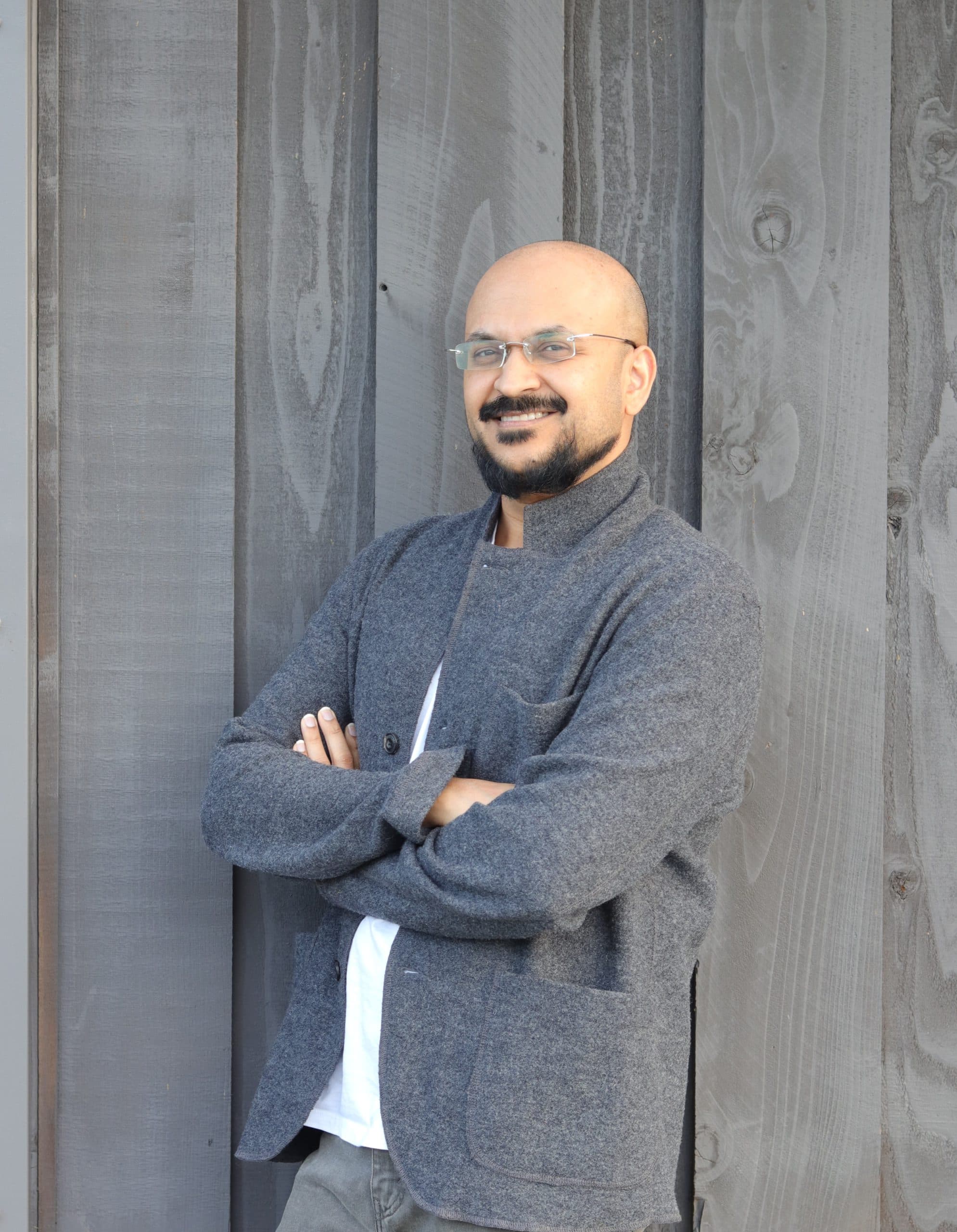
In this video, Rajesh Janakiraman, an engineering manager at Google, shares his insights and experiences on leading business critical projects while ensuring his team remains motivated and doesn’t burn out. Business critical projects can be intense, high visibility deadlines that often shift roadmaps and include executive-level oversight. Building the right team, maintaining communication, and managing expectations around these challenging projects are crucial to preventing burnout and driving results.

Are you on the lookout for a collaborative, engaging community tailored specifically for your role? Look no further! Introducing the Managers Club Discord server dedicated to leadership in engineering. We’re a community of engineering managers, team leads, and CTOs who come together to share experiences, best practices, and insights.
Are you an Engineering Manager curious about gauging your effectiveness and success in your role? In this insightful episode, we dive deep into metrics and stakeholder management with Ivan Bilan, an experienced engineering manager. Discover the core metrics for measuring engineering manager performance in people leadership, product quality, delivery, and self-promotion, and learn the importance of stakeholder management in driving team success. In this video, we will be looking at how to measure success and performance for managers. We’ll be exploring different methods and tools that managers can use to measure their own success, as well as the success of their team. Don’t miss out on these valuable insights and strategies!

In this engaging conversation, experienced technical recruiter Kate Parton shares vital advice and insider tips for candidates seeking job opportunities in the tech industry. She discusses red flags to watch for, navigating compensation discussions, common misconceptions about the recruiting process, and how to make the most of your partnership with a recruiter. Discover the role of social media and the rise of AI in the hiring process. Kate shares valuable tips and advice on making your job search and interview process smoother and more successful. Tune in for an insider’s perspective on the world of recruitment and how to avoid common pitfalls!