
1 min
Unveiling the Secrets to New Manager Success
… [Read more](https://www.managersclub.com/unveiling-the-secrets-to-new-manager-success/ "Unveiling the Secrets to New Manager Success")


Location: Los Gatos, CA.
Current Role: Build, CI & DevInsights Manager at Netflix
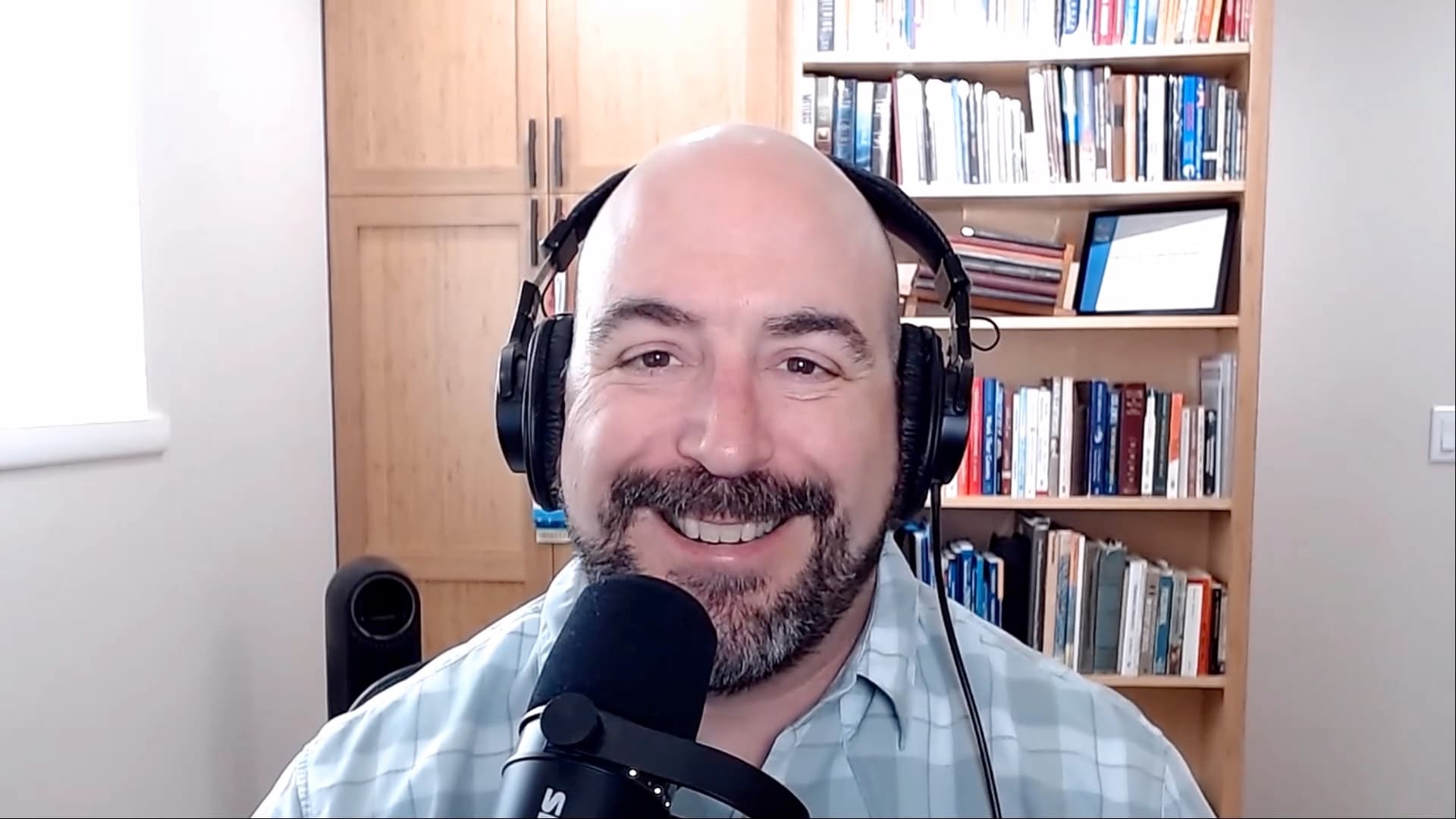
I’ve worked in technology for 15+ years, starting in the finance industry, moving toward education and then consulting before joining Netflix. Earlier roles offered me the opportunity to act as an individual contributor in backend engineering before, at some point, being asked to manage a team. This path is not for everyone. Occasionally, I see IC’s promoted to management because they excel in their role as engineers, not necessarily as people managers, and it causes angst for the team and the new manager. Luckily, I’ve found that being an individual contributor at a company before becoming a manager has allowed me to establish credibility I need to enable others and I’ve had the good fortune of several mentors recognizing that I can serve a broader purpose in management and coaching me through these transitions.
Balancing the needs of users and their feature requests, improvements and bugs with the demands of scalable and reliable infrastructure. Just when you’re ready to spike a new, long-requested enhancement to your product for engineers, you learn there’s a competing request for your team to invest their time in a new security, platform, or data requirement. This challenge presents a dual opportunity for alignment and to improve my strategic planning skills, so I try to look at each of these cases as a chance for the team to learn something while also delivering incremental value to our users.
For example, my team was recently prepared to kick off a long overdue feature request from engineers to automate conflict resolution for a rules engine we manage but were superseded by a request from security to integrate a code inspection tool into the build system and install a related linting plugin with the IDE. We could’ve seen this as kink in the plans to deliver for engineers but instead decided to proceed in parallel with both projects by asking team members from security to swarm and pair with us since it was our first time using this tool and we could use their expertise side-by-side to move faster. At the same time, we forged ahead with the plans to deliver the feature request to engineers but in thinner slices over a longer period of time. When I explained the security request to engineers and the reason for the slight delay, I did my best to demonstrate how they’d (ultimately) benefit from both initiatives. They appreciated the transparency and created a small working group of beta testers for the new feature to give us quick feedback, allowing us to iterate at a faster pace.
From this experience 3 years ago, I learned a valuable lesson to reach out to centralized teams on a fixed interval basis to learn if they anticipate any needs from my team – even if it’s only a 50% chance they’ll be dependent on us, so we can plan accordingly. This has helped me stay ahead of the curve when planning and allows me to minimize last-minute context switches for the team.
Competing requests for a team to deliver is not unique. There’s always more work than people to complete it. I take solace in the lessons from The Mythical Man Month and do my best to focus on our priorities but leave room for inevitable surprises.
As a manager of centralized teams, I tend to have a high technical expectations for broad generalists. I find that people who are curious and can learn fast generally thrive on my team. These attributes often make it challenging to source candidates. Essentially, I’m asking: you don’t have to know everything about a specific product/tool/system but I do need you to have enough experience using them as an engineer (user) and an owner (implementer/maintainer). And, typically, you should have opinions on more than a few different options. Be able to weigh the pros and cons and be discerning enough with your judgment that results in an optimal user experience. Additionally, I’m ardent about sourcing and hiring candidates that align with Netflix values.
My interview process tends to mirror this approach: there’s a phone screen, a technical discussion and assignment that’s relevant to the work we do on the team. Once it’s complete, we review it together and I ask some questions about your design patterns, technology choices, so on. If a candidate makes it through that stage I bring them on-site for a series of interviews with myself, a member of the team, a user of our tools, our HR partner, and one of our partner team members. Each of those interviewers is focused on a specific set of questions from their vantage point and how they would interact with the candidate if they were to be hired for the team. I collect feedback from each of the panelists and pretty quickly get back to them.
In short, my approach to hiring is to find candidates that raise the standards of our team and offer new and different skills that collectively help us improve.
Aim for growth, not perfection. Set clear and measurable objectives that also add business value. This doesn’t necessarily mean KPI’s, metric or estimates. It can be as simple some of the following examples:
Before arriving at work, I check my calendar to prepare for the day and finish any pre-reads needed for meeting context so I am able to contribute meaningfully to those discussions. To the best of my ability, I try to block out a few 30 minute slots of time throughout the day to check email and Slack and do my best to adhere those timeframes. I’m an ardent note-taker and at the end of the day like to summarize my thoughts and action items written down in a journal or by using Google Keep.
I practice yoga regularly. Intentional breathing, meditation and movement help me calm my central nervous system and allow me to focus on the present.
I’m going to cheat and recommend two related books: Crucial Conversations and Crucial Accountability. As a new or experienced manager, both these books provide practical and useful tips on how to manage your team and how to encourage your team to self-manage.
This series asks engineering managers to share their experiences with the intent of helping other engineering managers learn and improve. Have someone you want to see featured or questions you think we should ask? Contact me.
… [Read more](https://www.managersclub.com/unveiling-the-secrets-to-new-manager-success/ "Unveiling the Secrets to New Manager Success")
… [Read more](https://www.managersclub.com/accelerating-ai-in-your-team-strategies-for-success/ "Accelerating AI in Your Team: Strategies for Success")

In this video, Rajesh Janakiraman, an engineering manager at Google, shares his insights and experiences on leading business critical projects while ensuring his team remains motivated and doesn’t burn out. Business critical projects can be intense, high visibility deadlines that often shift roadmaps and include executive-level oversight. Building the right team, maintaining communication, and managing expectations around these challenging projects are crucial to preventing burnout and driving results.

Are you on the lookout for a collaborative, engaging community tailored specifically for your role? Look no further! Introducing the Managers Club Discord server dedicated to leadership in engineering. We’re a community of engineering managers, team leads, and CTOs who come together to share experiences, best practices, and insights.

Are you an Engineering Manager curious about gauging your effectiveness and success in your role? In this insightful episode, we dive deep into metrics and stakeholder management with Ivan Bilan, an experienced engineering manager. Discover the core metrics for measuring engineering manager performance in people leadership, product quality, delivery, and self-promotion, and learn the importance of stakeholder management in driving team success. In this video, we will be looking at how to measure success and performance for managers. We’ll be exploring different methods and tools that managers can use to measure their own success, as well as the success of their team. Don’t miss out on these valuable insights and strategies!

In this engaging conversation, experienced technical recruiter Kate Parton shares vital advice and insider tips for candidates seeking job opportunities in the tech industry. She discusses red flags to watch for, navigating compensation discussions, common misconceptions about the recruiting process, and how to make the most of your partnership with a recruiter. Discover the role of social media and the rise of AI in the hiring process. Kate shares valuable tips and advice on making your job search and interview process smoother and more successful. Tune in for an insider’s perspective on the world of recruitment and how to avoid common pitfalls!